
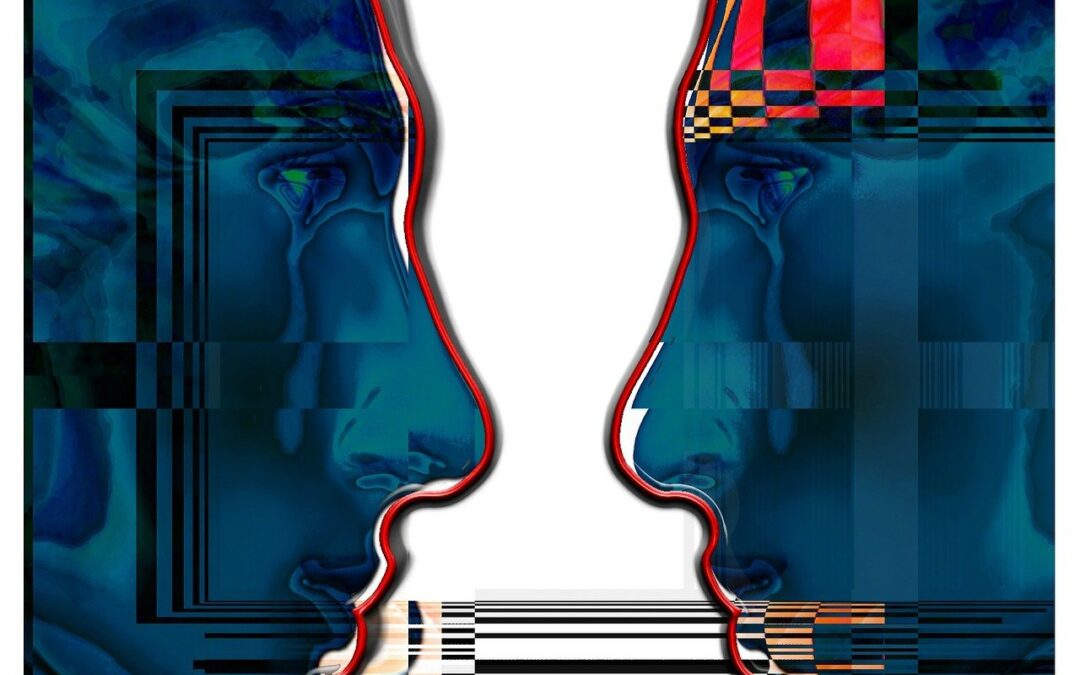
Should Facial Analysis and Behavioural AI Influence Hiring Decisions?
Facial analysis and behavioural AI in hiring: what it means for fairness, bias, and whether algorithms should influence decisions. Should they influence decisions? A provocative look at fairness, ethics, and the risk of replacing judgement with algorithms
A leadership dilemma that is emerging quietly
A growing number of technology platforms now claim they can analyse a candidate’s facial expressions, micro-movements, voice tone, eye focus, and behavioural signals to predict suitability for a role. Some claim to detect confidence. Others suggest they can assess emotional reliability. A few even imply they can identify leadership potential.
The question many leaders are beginning to ask is not whether this technology works, but whether it should be allowed to shape decisions that define someone’s future.
The appeal of certainty in an uncertain hiring landscape
Hiring has always involved uncertainty. Leaders have relied on interviews, CVs, intuition, references, and observation, only to discover strengths or limitations later.
It is tempting to believe that AI can remove doubt, reduce risk, and eliminate bias. The promise sounds compelling. Data feels objective. Algorithms feel neutral. Technology feels precise.
Yet here is the truth that many overlook. Facial analysis does not measure competence. It measures conformity to the patterns of those who designed and trained the system.
The human cost hidden beneath efficiency
If facial interpretation becomes a hiring gatekeeper, who gets excluded?
- What about those who are neurodivergent?
- What about cultural differences in posture, tone, or eye contact?
- What about candidates whose thoughtful expression reads as serious?
- What about individuals whose anxiety masks capability?
A system can quietly conclude that someone lacks confidence, warmth, or leadership presence, even if none of it reflects reality.
Technology can measure movement, but it cannot recognise humility, integrity, courage, empathy, or strength of character.
The myth of bias-free technology
AI is often presented as objective. But every dataset reflects the preferences, assumptions, norms, and demographics of the humans who built it.
- If historic hiring rewarded extroversion, the system will reward extroversion.
- If leadership has been modelled on a narrow profile, the algorithm will reproduce it.
- If certain faces have held power, those faces will be scored as more suitable.
Technology does not remove bias. It automates it. And it scales it.
Why leaders are vulnerable to adopting these tools now
Workforces are stretched. Talent shortages are real. Time to hire is under pressure. Boards want certainty. Regulators demand fairness. The cost of a hiring mistake feels higher than ever.
In moments of pressure, leaders are most likely to outsource judgement. But outsourcing judgement comes with a price. Once leaders surrender discernment, they surrender humanity in the process.
What hiring is truly about
Hiring has never been simply about selecting skills. It is about understanding potential. It is about recognising values. It is about sensing maturity, adaptability, resilience, and capacity to grow. It is about reading the person, not the face.
Leadership development is a human discipline. It requires human interpretation.
A more responsible path forward
Technology can support hiring, but it should never replace the leader’s ability to see the whole person.
There are three grounding questions that help leaders stay anchored.
- Is this technology enhancing fairness or disguising bias behind complexity?
- Is it improving insight or relieving leaders of uncomfortable responsibility?
- Is it honouring human dignity or reducing individuals to data points?
If leaders cannot answer confidently, the organisation should pause.
Facial analysis in recruitment may appear modern, efficient, and scientific. Yet beneath the surface lies a profound risk to diversity, fairness, and the essence of what it means to recognise talent.
Here is a question worth asking in any senior leadership conversation.
If your early career had been judged by an algorithm reading your face, would you be where you are today?
And here is the insight that stays with people long after the conversation ends.
The future of hiring should not be shaped by how a face is interpreted, but by how a leader recognises potential in another human being.
Leaders who understand this will build organisations that perform strongly, decide wisely, and remain unmistakably human.